
Artificial soils (AS) are soils elaborated with different types of organic and inorganic wastes by following a tailor-made formula. These soils are designed and applied with the purpose of improving the health of degraded soils. They can be designed for different purposes: decontamination, increased soil fertility, increased or decreased water retention, or increased carbon dioxide removal and soil carbon sequestration. These soils mimic the physicochemical composition of natural soils and when they are applied to land, their biogeochemical evolution is like that of any other soil. In fact, they are classified by the FAO as Technosols.
Edafotec has designed four different AS for being studied in the C-SINK project and provided data to support the elaboration of pre-standards QMS and MRV protocols adapted to CDR with this technology. AS1 with the basic formulation, AS2 with AS1 and biochar, AS3 with AS1 and dunite, and AS4 with AS1+biochar+dunite. The basic AS formula of the C-SINK field trial was formed by CDWs (construction and demolition wastes) and three different organic wastes. The dunite residue was from the Pasek Minerales mine. The biochar was from acacia wood and provided by IMFlorestal. The four AS were applied in a plot at Pasek mine, in the NW of Spain, over the mine soil surface such as topsoil. Different physical, chemical and biological soil variables are being monitored for 24 months, especially carbon fractions, by the INDUROT research team from the University of Oviedo, with the support of Edafotec and Pasek.
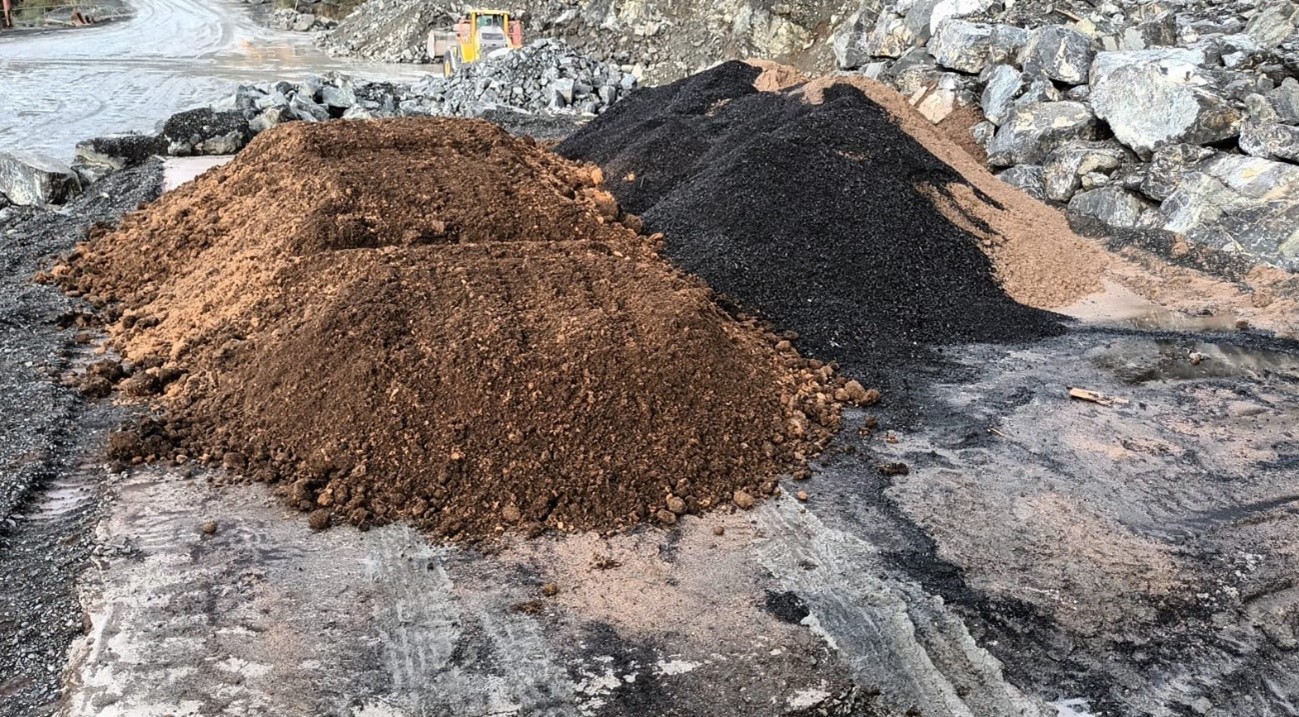
Fig1. Materials to prepare AS2: CDWs, biostabilized organic wastes and biochar.
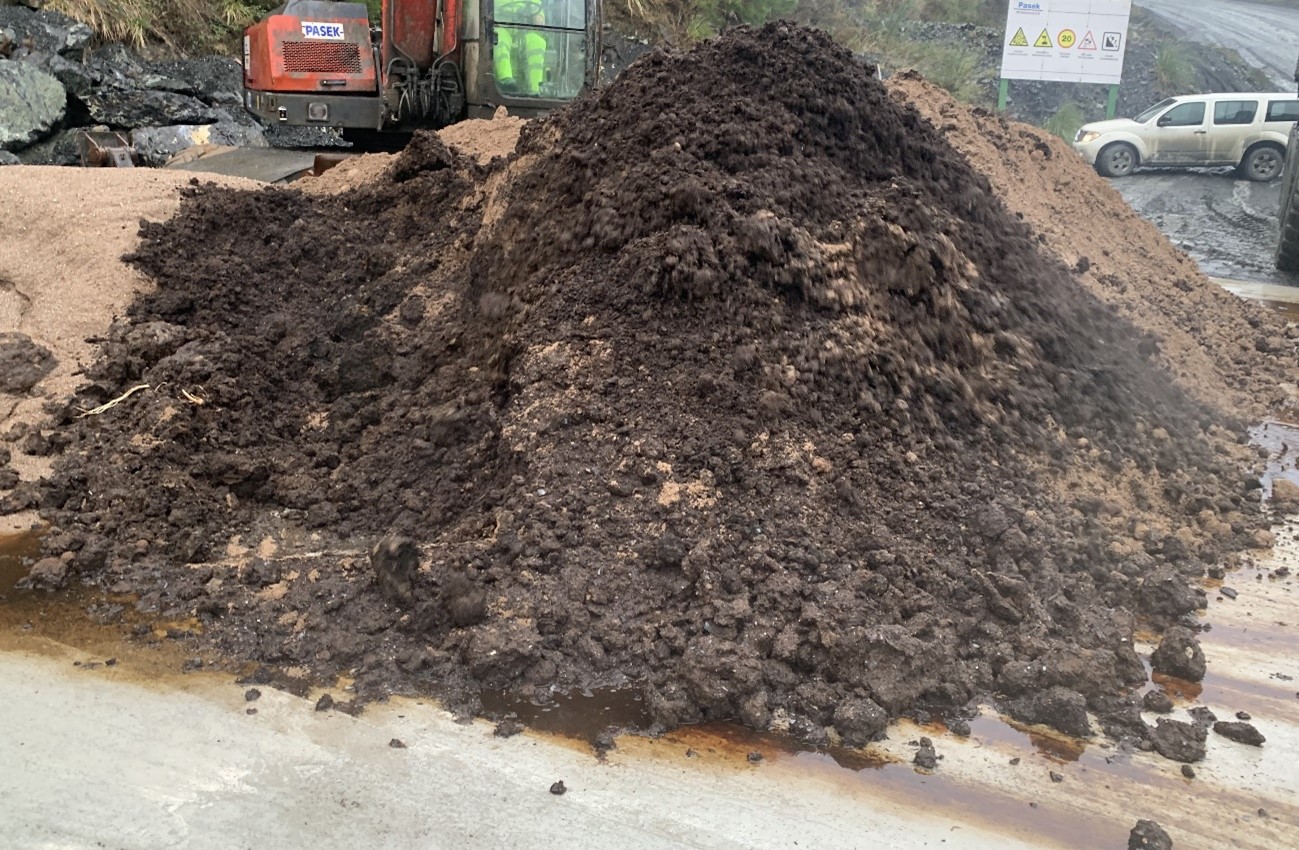
Fig2. Mixing of materials to elaborate AS1 (CDWs and biostabilized organic wastes).
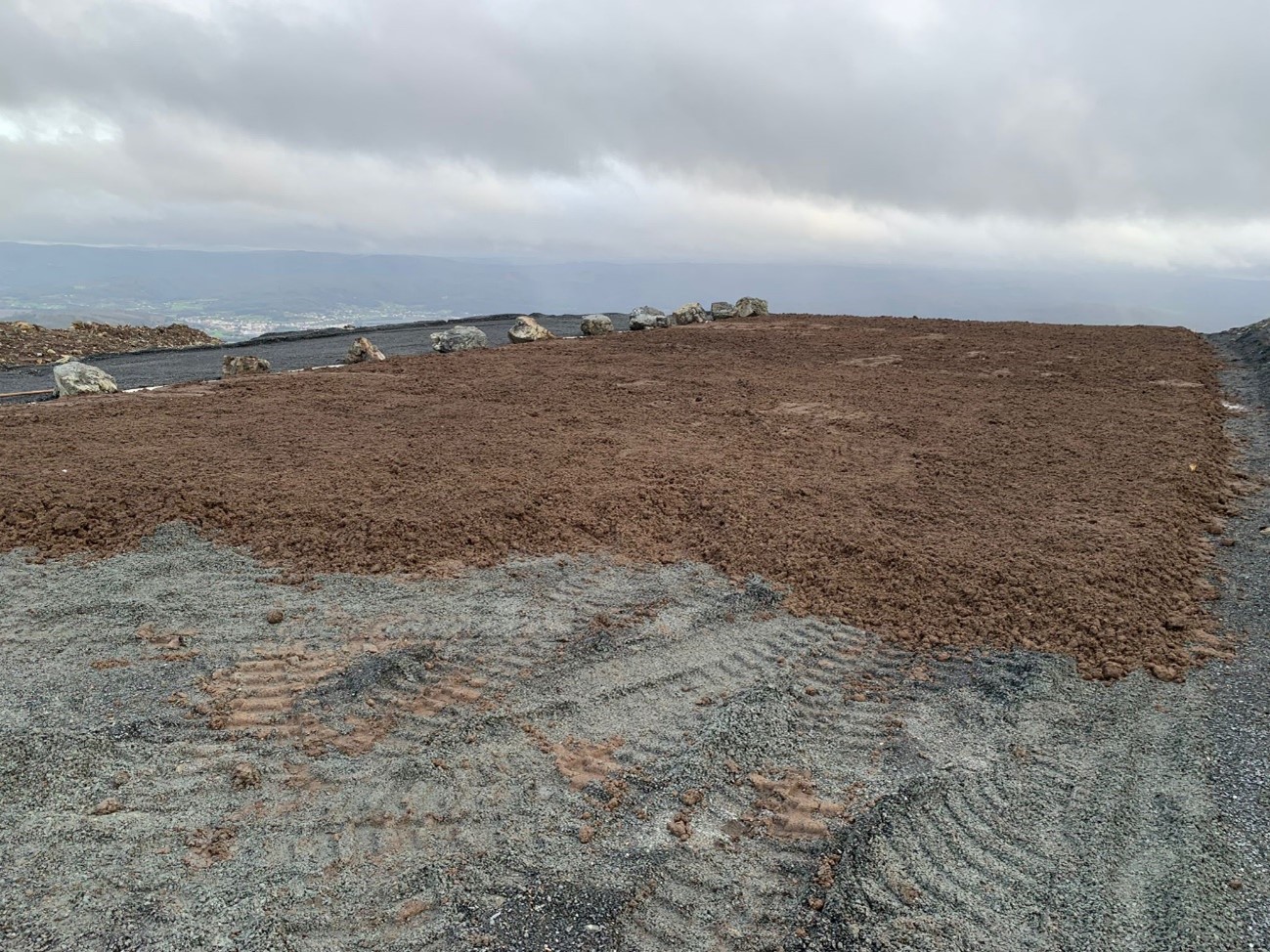
Fig3. Field application of AS over Pasek mine soil.
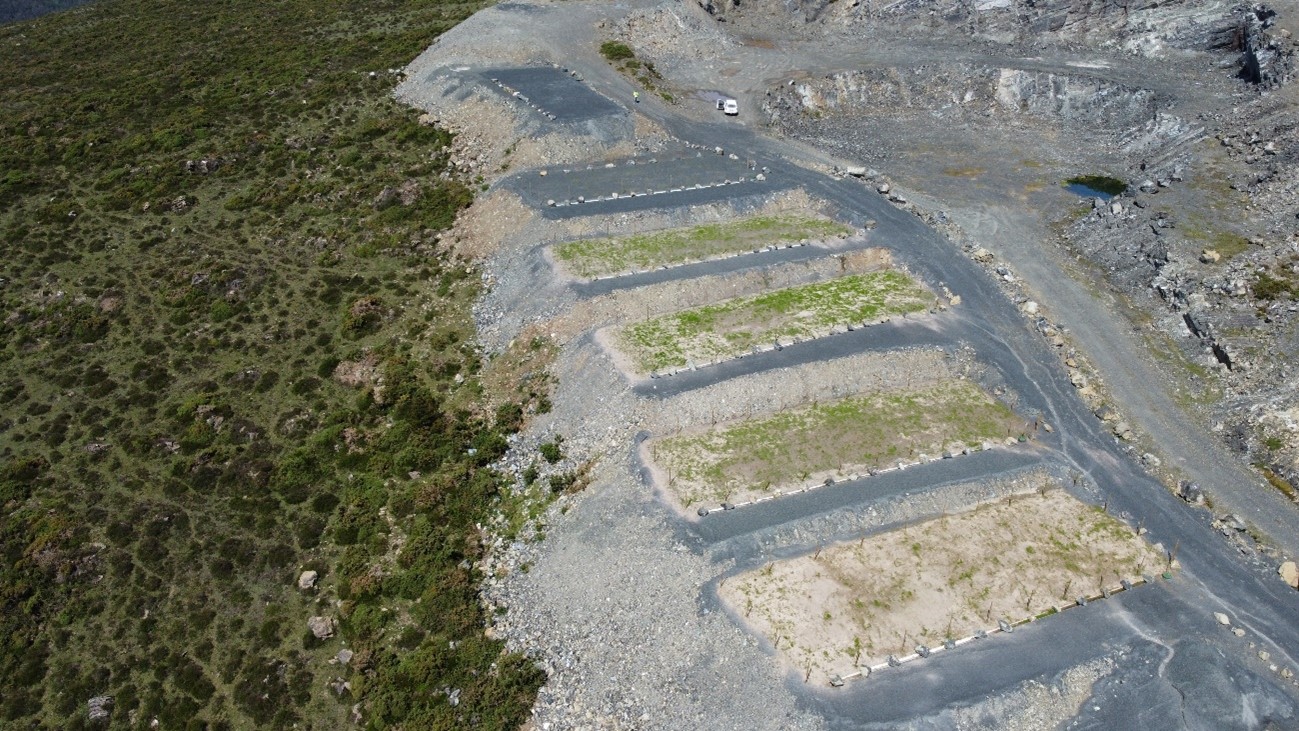
Fig4. Overview of the field plots at Pasek mine in May 2024, one month after planting. From the background to the front of the picture, the following plots can be observed: control (without treatment, only mine soil), enhanced weathering (dunite residue), AS4, AS3, AS2 and AS1. All plots except the control were planted with seeds from native species and seedlings of two native trees. It can be observed that the four artificial soil plots (AS) had much more vegetation cover than EW and control plots.
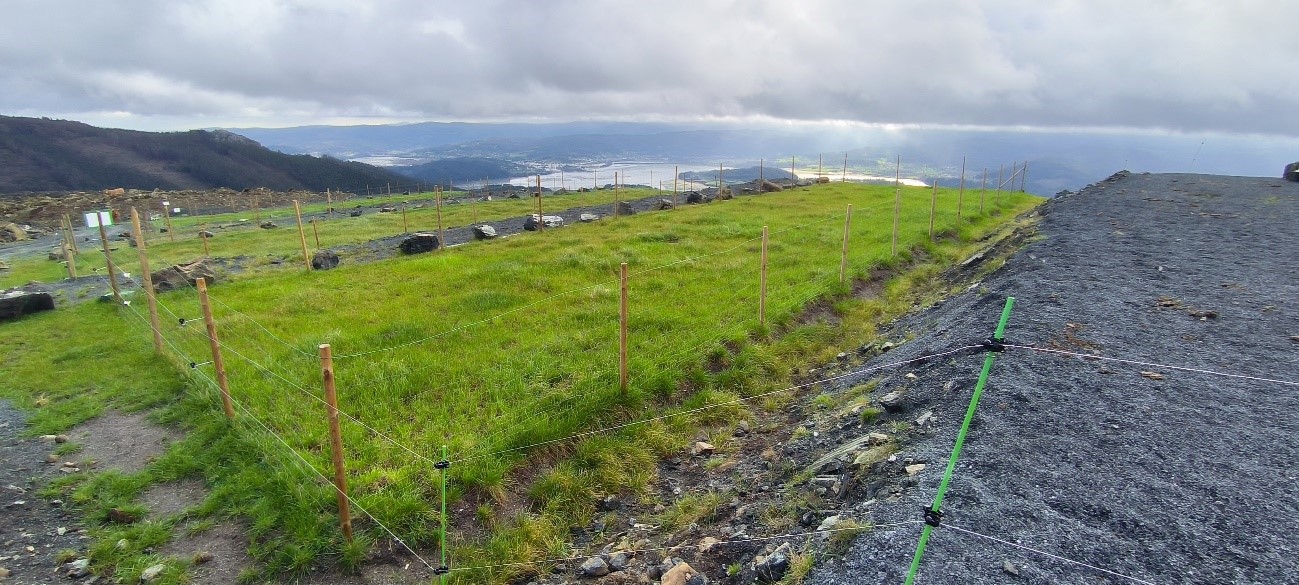
Fig5. Field plots in September 2024, five months after plantation. Enhanced weathering at the right side of the picture and AS plots at the left side, with much more vegetation cover than the EW plot.
There are a number of synergies between artificial soils and other CDR technologies. In this diagram by Alicia Sánchez Poyal (University of Oviedo), you can examine the relationship between artificial soil and biochar, microbial carbon fixation, bioenergy with carbon capture and storage, afforestation, and enhanced weathering.
